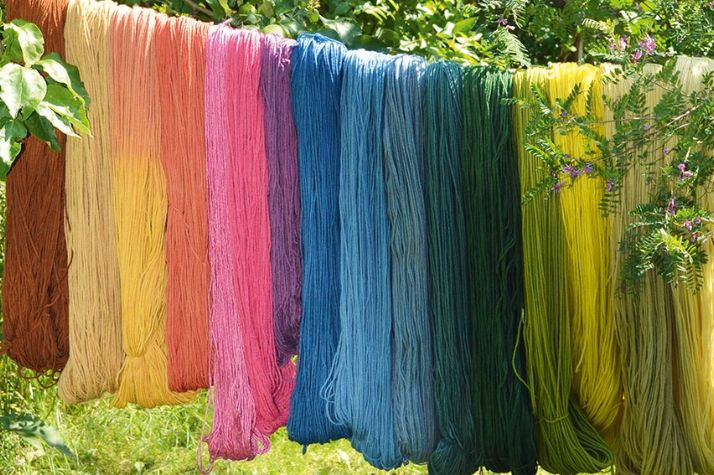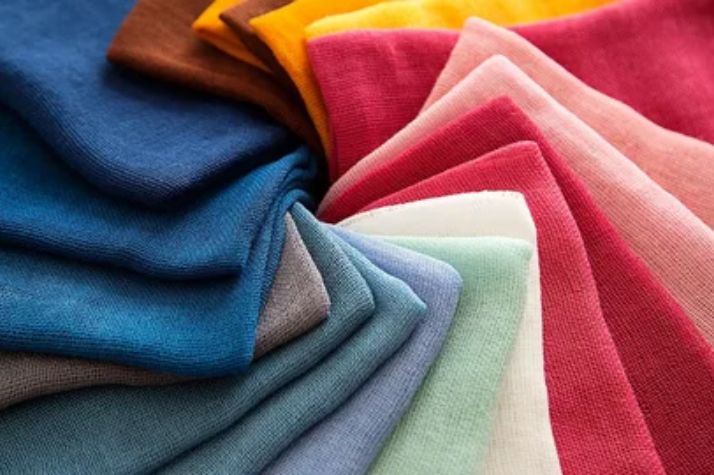
Dyeing fabric is a creative and rewarding craft, whether you’re revamping an old piece of clothing or working on a custom design project. However, one key factor in achieving the best results is selecting the right fabric. The fabric type directly influences the vibrancy of the colors, the dye’s adherence, and the overall look of your project. In this guide, we will break down the essential factors to consider when choosing the best fabric for dyeing.
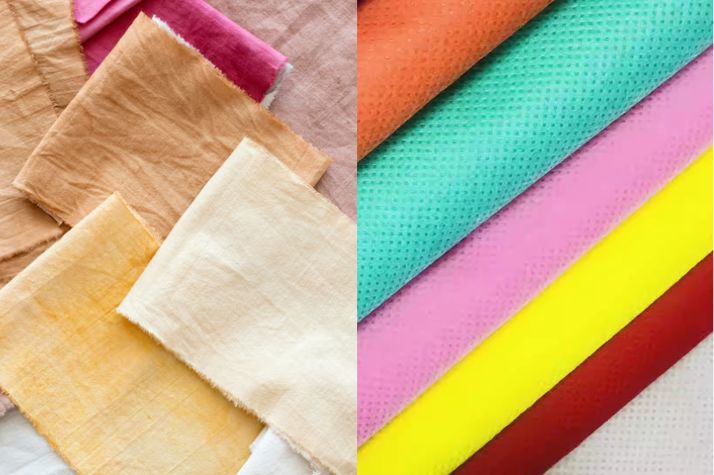
One of the first decisions you’ll need to make is whether to dye natural or synthetic fabrics. The type of fiber affects how well the fabric will take the dye.
Natural Fabrics:
Natural fibers, such as cotton, silk, linen, and wool, are generally more absorbent and take dye better than synthetic materials. These fabrics bond well with fiber-reactive dyes, making them an ideal choice for beginners.
Synthetic Fabrics:
Synthetic fibers like polyester, nylon, and acetate are generally more difficult to dye. The process of dyeing these fabrics requires specific types of dyes, like disperse dyes for polyester. Additionally, synthetic fibers often don’t absorb dye as evenly, which can lead to uneven color distribution.
Polyester can be dyed, but it requires special dyes and higher temperatures. It's not as absorbent as natural fabrics, which can result in dull colors.
Similar to polyester, nylon is dyeable but requires specific dyes like acid dyes for effective results.
For beginners, starting with natural fibers like cotton or silk is recommended, as they are easier to work with and provide more predictable results.
The weight and texture of the fabric can impact how dye is absorbed and how colors appear. Thicker fabrics will absorb dye more slowly, while lightweight fabrics may require fewer applications to achieve the desired color depth.
(like denim or upholstery fabric) can hold dye well, but may require more time in the dye bath for the color to penetrate fully.
(such as chiffon or tulle) absorb dye more quickly, but the results may be lighter or more pastel in nature.
Textured fabrics like canvas or corduroy can give the dye a unique effect, as the dye will settle differently in the fabric’s grooves, leading to varying shades of color across the surface.
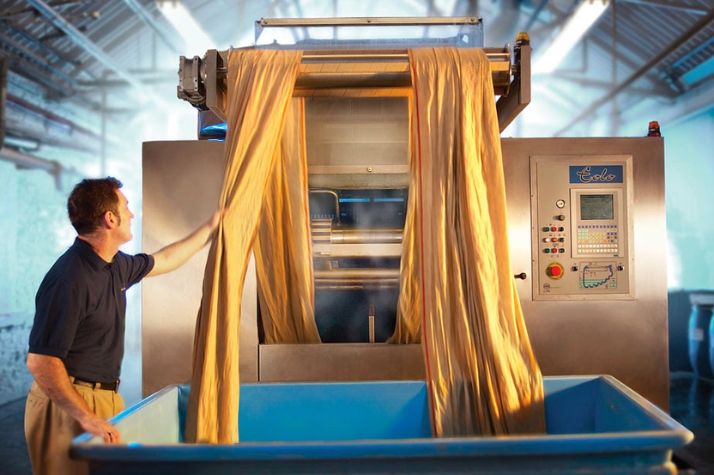
Before you begin the dyeing process, it’s essential to wash your fabric thoroughly to remove any chemicals, oils, or dirt that might interfere with the dye’s absorption. Pre-washing also helps in preventing unwanted shrinkage after dyeing.
Note: Do not use fabric softener during the wash as it can create a coating that inhibits the dye from bonding properly with the fabric.
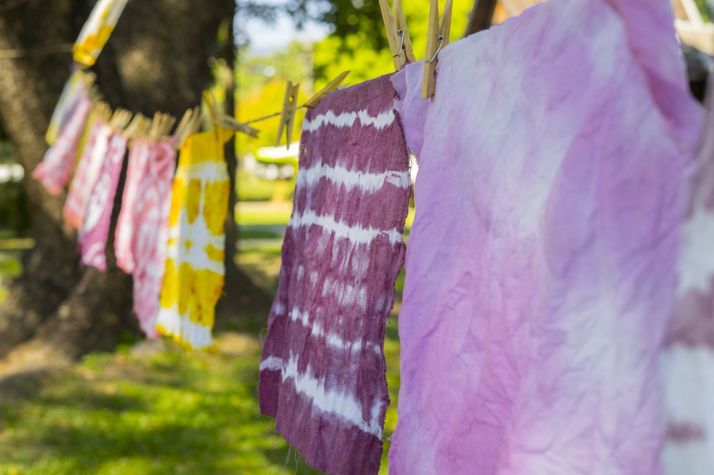
Different dyeing techniques and results depend on your fabric choice. If you’re looking for specific effects, like gradient or tie-dye patterns, the type of fabric you choose can greatly impact the final product.
For classic tie-dye, cotton is the best choice due to its absorbency and ability to handle the folding and twisting process. It holds colors evenly and vividly.
For soft gradients, lightweight fabrics such as silk or cotton blend nicely, as they absorb dye smoothly and create fluid transitions.
This Japanese technique, which involves folding, stitching, and clamping the fabric before dyeing, works beautifully on cotton and linen, allowing the dye to form sharp, intricate patterns.
Fabric choice can also be influenced by the intended use of the dyed fabric—whether it’s for clothing, accessories, or home decor.
Fabrics like cotton, silk, and rayon are popular choices for clothing and accessories. They take dye well, ensuring a vibrant and consistent color payoff.
Heavy fabrics like linen and canvas are great for items like curtains, cushions, or tablecloths. These fabrics can hold color beautifully, and the texture adds depth to the dyed design.
It’s always a good idea to test dye on a small fabric swatch before starting on your full project. This allows you to check how the fabric reacts with the dye, how it absorbs the color, and how the final results will look. It’s especially important for new or synthetic fabrics where results can be unpredictable.
The fabric you choose for dyeing plays a critical role in the final outcome of your project. Natural fibers like cotton, silk, and linen are the easiest to work with and offer vibrant, long-lasting results. Synthetic fibers may require special dyes and techniques but can still yield great results with the right approach. Pay attention to the weight, texture, and dyeing technique that will work best for your project.
As a beginner, start with fabrics that are known to work well with dye, and test your methods on small swatches before committing to larger projects. Whether you’re crafting a stunning garment, home decor item, or unique accessory, choosing the right fabric will set you on the path to success in your fabric dyeing journey.
Welcome to Sakina Art Dyers, where we believe that every piece of fabric has a story to tell. Founded with a passion for color and creativity, our mission is to transform ordinary textiles into extraordinary works of art through our unique dyeing techniques. Our skilled artisans specialize in various dyeing styles, including Tie Dye, Clamp Dye, Shibori, 4D Dye, and Ombre Dye, each bringing its charm and elegance to your wardrobe.
Discover our expert fabric dyeing services, from Tie-Dye to 4D Dyeing, crafted to bring your creative ideas to life with precision and artistry.
At Sakina Art Dyers, we celebrate the beauty of textiles through the art of dyeing. Founded with a passion for transforming fabrics, our journey began with a simple desire to infuse life and color into clothing.
© 2024 Created with