Fabric dyeing is a creative and rewarding way to bring vibrant colors and patterns to textiles, whether you’re giving an old garment new life or creating a unique piece of home decor. However, dyeing isn’t as simple as adding color—it requires careful preparation, technique, and post-treatment. Many DIYers face common mistakes that can impact the outcome of their project, leading to uneven colors, fading, or damage to the fabric.
In this blog, we’ll dive into some of the most common fabric dyeing mistakes and how to avoid them to achieve the best results.
Mistake:
One of the most common mistakes is skipping the pre-wash step. Fabrics often come with a coating or residue that can prevent the dye from absorbing evenly. This coating, known as sizing, helps keep the fabric smooth and clean but blocks dye absorption.
Solution:
Always wash your fabric with a gentle detergent and avoid fabric softener, as it can add an additional layer of residue. Pre-washing removes oils, dirt, and sizing, creating a clean base for dyeing. Dry the fabric thoroughly before starting the dye process.
Mistake:
Not all fabrics dye well, and using the wrong type can lead to faded or patchy results. Natural fabrics like cotton, silk, wool, and linen absorb dye well, while synthetic materials like polyester and acrylic require special dyes and techniques.
Solution:
Before dyeing, confirm that the fabric is dye-compatible. If you’re working with synthetic fabrics, look for dyes specifically formulated for synthetics, like disperse dyes. For beginners, cotton and silk are excellent choices as they readily absorb dyes and produce vibrant colors.
Mistake:
Many beginners overlook the importance of using the right dye type for their fabric. Using the wrong dye can result in dull colors or even damage to the fabric.
Solution:
Choose a dye that is compatible with your fabric:
Be sure to follow the instructions on the dye package to achieve the desired result.
Mistake:
Underestimating the amount of dye or water can lead to weak, uneven colors. Insufficient dye concentration means that the fabric won’t absorb enough pigment, resulting in a washed-out appearance.
Solution:
Follow the dye manufacturer’s instructions for the right dye-to-water ratio. Ensure that the dye bath is deep enough to allow the fabric to move freely for even color distribution. If you’re dyeing a large piece, use a larger container and more dye to maintain color consistency.
Mistake:
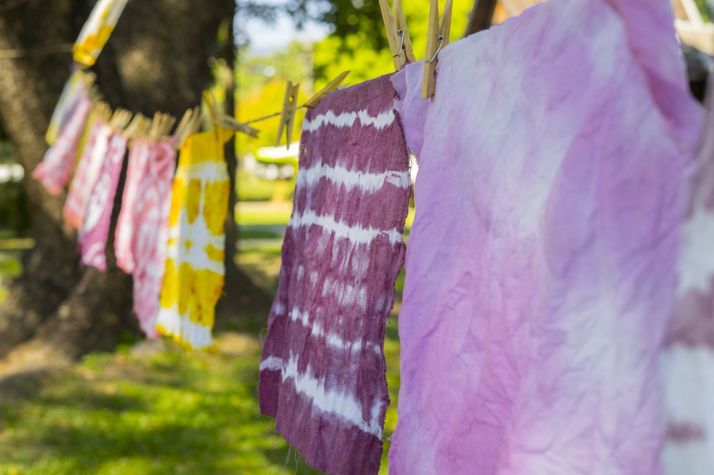
For patterned dyeing techniques like tie-dye or shibori, improper folding or tying can lead to unwanted patterns or unbalanced designs.
Solution:
Use precise, consistent folds and ties to achieve symmetrical designs. Experiment with test swatches if you’re new to a particular technique, and remember that tighter folds or bindings will resist dye more, creating sharper contrasts. Carefully plan your design before you begin dyeing.
Mistake:
Temperature can greatly impact dye absorption. Cold dye baths often result in less vibrant colors, while excessively high temperatures can damage delicate fabrics.
Solution:
Check the temperature requirements on your dye package. Fiber-reactive dyes for cotton, for instance, often work best in warm water, while acid dyes for wool and silk may need hotter water. For beginners, aim to follow the recommended temperature to get the most consistent results.
Mistake:
Dyeing fabric is a process that requires patience. Removing the fabric from the dye bath too soon can lead to pale colors and uneven dyeing. Dyeing for too long, however, can make certain dyes more difficult to rinse out and cause bleeding.
Solution:
Follow the timing instructions provided by the dye manufacturer, but keep in mind that color intensity often depends on the dye’s duration on the fabric. Gently agitate the fabric in the dye bath to promote even coverage and check frequently to see if it has reached the desired color before removing it.
Mistake:
Not rinsing dyed fabric thoroughly or skipping a color fixative treatment can lead to color bleeding and fading over time, especially during the first few washes.
Solution:
Rinse the fabric in cold water until the water runs clear to remove excess dye. Many dyes, especially reactive dyes, benefit from a fixative treatment to lock in the color. Commercial dye fixatives or vinegar can help set the color and prevent fading. Ensure the fabric is completely rinsed and treated before drying.
Mistake:
Drying dyed fabric incorrectly can distort the color or cause damage. Placing freshly dyed fabric in direct sunlight, for example, can cause colors to fade prematurely.
Solution:
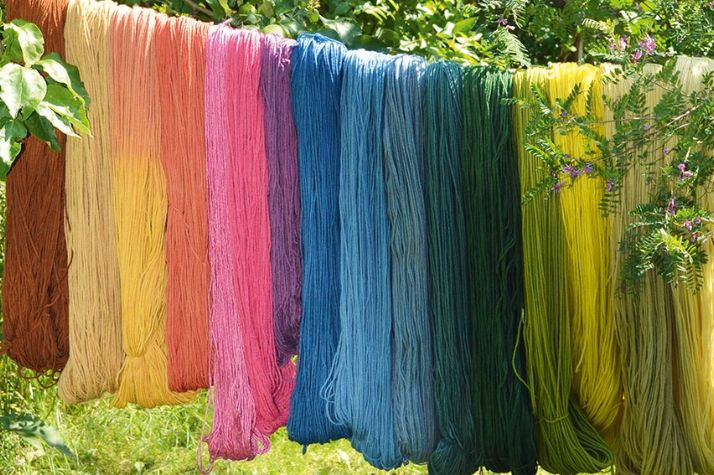
Allow dyed fabric to air dry in a shaded area or indoors to prevent fading. Avoid using a dryer until the dye is fully set, as heat can affect some colors. If using a dryer, make sure to select a gentle cycle and low heat.
Mistake:
Dyeing can involve chemicals that may irritate the skin, eyes, or respiratory system if not handled properly. Failing to take safety precautions can lead to discomfort or injury.
Solution:
Always wear gloves to protect your hands, and if you’re using powdered dyes, consider wearing a mask to avoid inhaling any particles. Work in a well-ventilated area or outdoors if possible, and follow all safety instructions on the dye package.
Achieving beautiful, long-lasting fabric dye results requires attention to detail, preparation, and the right materials. By avoiding these common mistakes, you’ll set yourself up for a successful dyeing project, whether you’re aiming for a bold tie-dye look, a subtle ombre, or intricate shibori patterns. Remember, fabric dyeing is a craft that improves with practice, so don’t be discouraged by initial challenges. Follow these guidelines, and soon you’ll be producing vibrant, even, and durable colors on your favorite fabrics.
Happy dyeing!
Welcome to Sakina Art Dyers, where we believe that every piece of fabric has a story to tell. Founded with a passion for color and creativity, our mission is to transform ordinary textiles into extraordinary works of art through our unique dyeing techniques. Our skilled artisans specialize in various dyeing styles, including Tie Dye, Clamp Dye, Shibori, 4D Dye, and Ombre Dye, each bringing its charm and elegance to your wardrobe.
Discover our expert fabric dyeing services, from Tie-Dye to 4D Dyeing, crafted to bring your creative ideas to life with precision and artistry.
At Sakina Art Dyers, we celebrate the beauty of textiles through the art of dyeing. Founded with a passion for transforming fabrics, our journey began with a simple desire to infuse life and color into clothing.
© 2024 Created with