Fabric dyeing can be a beautiful way to customize and personalize textiles, but traditional dyeing methods often have environmental impacts. The textile dyeing industry is a significant source of water pollution, contributing to toxic runoff, water waste, and harmful chemical release. By adopting sustainable dyeing practices, artists, designers, and DIY enthusiasts can reduce the ecological footprint of their projects. In this guide, we’ll explore eco-friendly dyeing methods, sustainable materials, and techniques that help you make environmentally conscious choices.
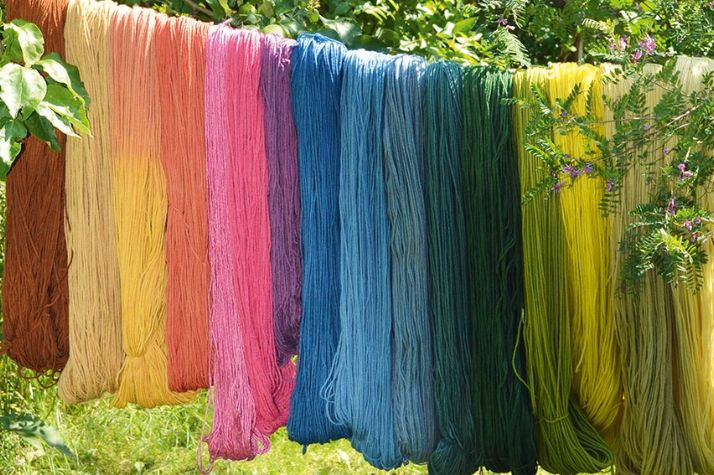
Natural dyes are derived from plants, minerals, and other organic sources, eliminating the use of toxic chemicals and petroleum-based ingredients found in synthetic dyes. Natural dyes are also biodegradable, meaning they don’t accumulate in water systems or soil over time.
Popular Natural Dye Sources
To begin dyeing with natural dyes, steep plant materials in water and simmer them to release the colors. Always research proper dyeing methods for each material, as colors and longevity can vary based on the dye source. Natural dyeing may require longer processing times and multiple applications for vibrant, lasting colors, so be prepared for a different pace than traditional dyeing.
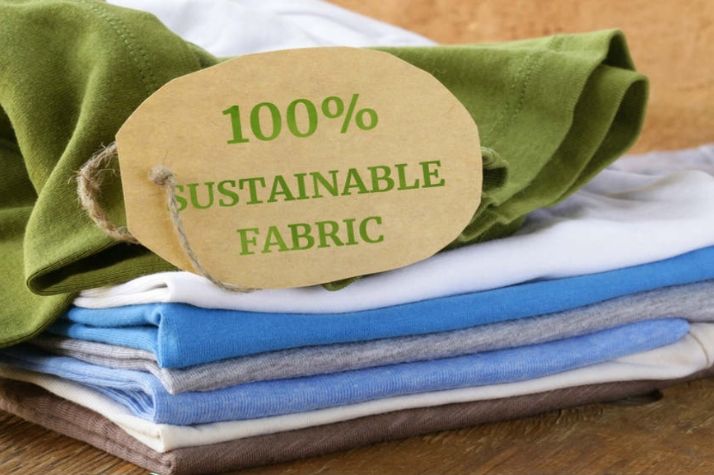
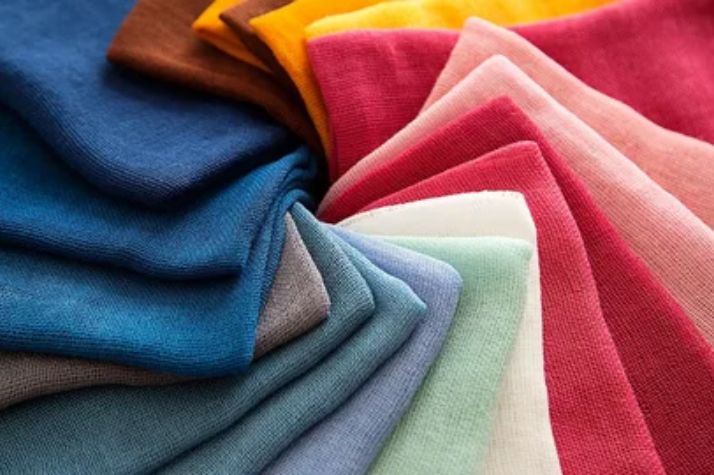
Fabrics treated with pesticides, formaldehyde, or flame retardants can compromise the eco-friendliness of a project, even if natural dyes are used. Sustainable fabrics, such as organic cotton, hemp, and bamboo, are grown and processed with lower environmental impact and readily absorb natural dyes.
Top Eco-Friendly Fabric Choices
Using sustainable fabrics not only helps the environment but also enhances the aesthetic and tactile quality of your dyed creations, as natural dyes often work better with natural fibers.
Traditional dyeing uses significant water resources for rinsing and setting colors, often resulting in contaminated wastewater. In addition, high-energy processes (such as high-heat dyeing) consume power and contribute to greenhouse gas emissions.
Eco-Friendly Water & Energy Practices
For even more water savings, consider “dry dyeing” technologies. Although not yet widely available to consumers, these methods—such as using compressed CO₂ instead of water—are gaining traction in the sustainable fashion industry.
Mordants like chromium and alum are often used in dyeing to help the color adhere to fabric, but these chemicals can be toxic and lead to environmental damage when they leach into soil and water sources.
Eco-Friendly Alternatives
When using any mordant, dispose of leftover dye baths responsibly. Avoid pouring used dye solutions down drains, as this can contribute to local water pollution.
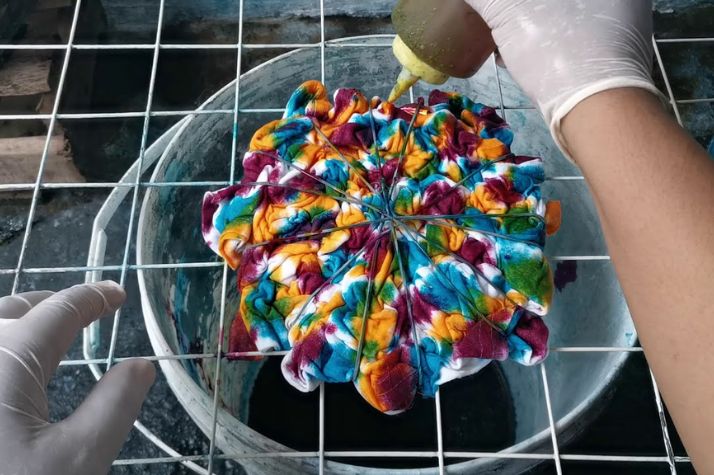
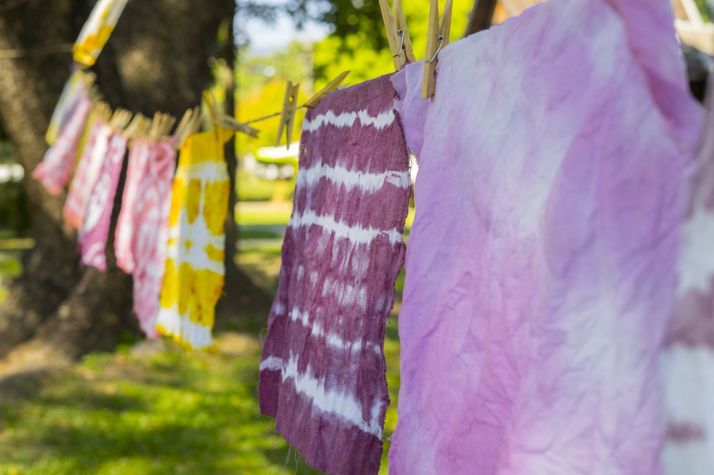
Certain dyeing techniques use fewer resources and produce less waste. Traditional methods such as tie-dye, shibori, and dip-dye can be adapted to minimize environmental impact.
Low-Impact Techniques
By experimenting with these low-impact dyeing methods, you can add artistic value to your projects while being mindful of environmental impact.
Improper disposal of dye baths and waste can negate the positive impacts of using natural dyes. Even natural dyes, when used in large quantities, can cause harm if released directly into water systems.
How to Dispose of Dye Waste Responsibly
Eco-friendly dyeing is about more than using natural materials—it’s a holistic approach to minimizing waste, conserving resources, and selecting sustainable fabrics. By adopting these practices, you can create stunning colors and patterns that are kind to the planet, adding an ethical dimension to your creative projects. Sustainable dyeing requires a little extra planning and research, but the results are worthwhile: unique, eco-conscious textiles that reflect both your style and your environmental values.
As more people become aware of the impact of textile dyeing, the demand for sustainable methods will continue to grow. By implementing these eco-friendly dyeing practices, you can contribute to a more sustainable future for fashion, art, and home decor. So next time you pick up a dye project, consider the impact of your choices—and enjoy the beauty of crafting responsibly.
Welcome to Sakina Art Dyers, where we believe that every piece of fabric has a story to tell. Founded with a passion for color and creativity, our mission is to transform ordinary textiles into extraordinary works of art through our unique dyeing techniques. Our skilled artisans specialize in various dyeing styles, including Tie Dye, Clamp Dye, Shibori, 4D Dye, and Ombre Dye, each bringing its charm and elegance to your wardrobe.
Discover our expert fabric dyeing services, from Tie-Dye to 4D Dyeing, crafted to bring your creative ideas to life with precision and artistry.
At Sakina Art Dyers, we celebrate the beauty of textiles through the art of dyeing. Founded with a passion for transforming fabrics, our journey began with a simple desire to infuse life and color into clothing.
© 2024 Created with