
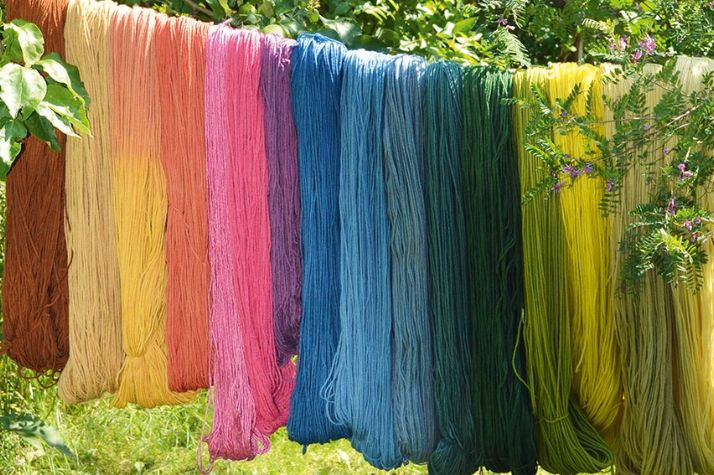
Common Fabric Dyeing Mistakes and How to Avoid Them Fabric dyeing is a creative and rewarding way to bring vibrant colors and patterns to textiles, whether you’re giving an old garment new life or creating a unique piece of home decor. However, dyeing isn’t as simple as adding color—it requires careful preparation, technique, and post-treatment. Many DIYers face common mistakes that can impact the outcome of their project, leading to uneven colors, fading, or damage to the fabric. In this blog, we’ll dive into some of the most common fabric dyeing mistakes and how to avoid them to achieve the best results. 1. Skipping the Pre-Wash Step Mistake: One of the most common mistakes is skipping the pre-wash step. Fabrics often come with a coating or residue that can prevent the dye from absorbing evenly. This coating, known as sizing, helps keep the fabric smooth and clean but blocks dye absorption. Solution: Always wash your fabric with a gentle detergent and avoid fabric softener, as it can add an additional layer of residue. Pre-washing removes oils, dirt, and sizing, creating a clean base for dyeing. Dry the fabric thoroughly before starting the dye process. 2. Choosing the Wrong Fabric Type Mistake: Not all fabrics dye well, and using the wrong type can lead to faded or patchy results. Natural fabrics like cotton, silk, wool, and linen absorb dye well, while synthetic materials like polyester and acrylic require special dyes and techniques. Solution: Before dyeing, confirm that the fabric is dye-compatible. If you’re working with synthetic fabrics, look for dyes specifically formulated for synthetics, like disperse dyes. For beginners, cotton and silk are excellent choices as they readily absorb dyes and produce vibrant colors. 3. Using the Wrong Dye Type Mistake: Many beginners overlook the importance of using the right dye type for their fabric. Using the wrong dye can result in dull colors or even damage to the fabric. Solution: Choose a dye that is compatible with your fabric: Fiber-reactive dyes are best for natural fibers like cotton, silk, and linen. Acid dyes are ideal for protein fibers, such as wool and silk. Disperse dyes work well with synthetic fabrics like polyester. Be sure to follow the instructions on the dye package to achieve the desired result. 4. Not Using Enough Dye or Water Mistake: Underestimating the amount of dye or water can lead to weak, uneven colors. Insufficient dye concentration means that the fabric won’t absorb enough pigment, resulting in a washed-out appearance. Solution: Follow the dye manufacturer’s instructions for the right dye-to-water ratio. Ensure that the dye bath is deep enough to allow the fabric to move freely for even color distribution. If you’re dyeing a large piece, use a larger container and more dye to maintain color consistency. 5. Uneven Fabric Folding or Tying Mistake: For patterned dyeing techniques like tie-dye or shibori, improper folding or tying can lead to unwanted patterns or unbalanced designs. Solution: Use precise, consistent folds and ties to achieve symmetrical designs. Experiment with test swatches if you’re new to a particular technique, and remember that tighter folds or bindings will resist dye more, creating sharper contrasts. Carefully plan your design before you begin dyeing. 6. Using Improper Temperature Mistake: Temperature can greatly impact dye absorption. Cold dye baths often result in less vibrant colors, while excessively high temperatures can damage delicate fabrics. Solution: Check the temperature requirements on your dye package. Fiber-reactive dyes for cotton, for instance, often work best in warm water, while acid dyes for wool and silk may need hotter water. For beginners, aim to follow the recommended temperature to get the most consistent results. 7. Rushing the Dyeing Process Mistake: Dyeing fabric is a process that requires patience. Removing the fabric from the dye bath too soon can lead to pale colors and uneven dyeing. Dyeing for too long, however, can make certain dyes more difficult to rinse out and cause bleeding. Solution: Follow the timing instructions provided by the dye manufacturer, but keep in mind that color intensity often depends on the dye’s duration on the fabric. Gently agitate the fabric in the dye bath to promote even coverage and check frequently to see if it has reached the desired color before removing it. 8. Skipping the Rinse and Fixative Process Mistake: Not rinsing dyed fabric thoroughly or skipping a color fixative treatment can lead to color bleeding and fading over time, especially during the first few washes. Solution: Rinse the fabric in cold water until the water runs clear to remove excess dye. Many dyes, especially reactive dyes, benefit from a fixative treatment to lock in the color. Commercial dye fixatives or vinegar can help set the color and prevent fading. Ensure the fabric is completely rinsed and treated before drying. 9. Improper Drying Methods Mistake: Drying dyed fabric incorrectly can distort the color or cause damage. Placing freshly dyed fabric in direct sunlight, for example, can cause colors to fade prematurely. Solution: Allow dyed fabric to air dry in a shaded area or indoors to prevent fading. Avoid using a dryer until the dye is fully set, as heat can affect some colors. If using a dryer, make sure to select a gentle cycle and low heat. 10. Ignoring Safety Precautions Mistake: Dyeing can involve chemicals that may irritate the skin, eyes, or respiratory system if not handled properly. Failing to take safety precautions can lead to discomfort or injury. Solution: Always wear gloves to protect your hands, and if you’re using powdered dyes, consider wearing a mask to avoid inhaling any particles. Work in a well-ventilated area or outdoors if possible, and follow all safety instructions on the dye package. Conclusion Achieving beautiful, long-lasting fabric dye results requires attention to detail, preparation, and the right materials. By avoiding these common mistakes, you’ll set yourself up for a successful dyeing project, whether you’re aiming for a bold tie-dye look, a subtle ombre, or intricate shibori patterns. Remember, fabric dyeing is a craft that improves
Sustainable Dyeing Practices: How to Make Eco-Friendly Choices for Your Projects
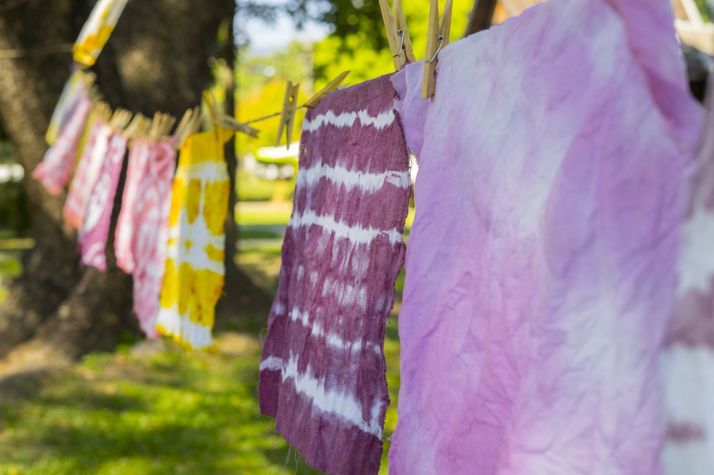
Sustainable Dyeing Practices: How to Make Eco-Friendly Choices for Your Projects Fabric dyeing can be a beautiful way to customize and personalize textiles, but traditional dyeing methods often have environmental impacts. The textile dyeing industry is a significant source of water pollution, contributing to toxic runoff, water waste, and harmful chemical release. By adopting sustainable dyeing practices, artists, designers, and DIY enthusiasts can reduce the ecological footprint of their projects. In this guide, we’ll explore eco-friendly dyeing methods, sustainable materials, and techniques that help you make environmentally conscious choices. 1. Choose Natural Dyes Over Synthetic Ones Why Natural Dyes? Natural dyes are derived from plants, minerals, and other organic sources, eliminating the use of toxic chemicals and petroleum-based ingredients found in synthetic dyes. Natural dyes are also biodegradable, meaning they don’t accumulate in water systems or soil over time. Popular Natural Dye Sources Plants: Common sources include indigo (for blue), turmeric (yellow), and madder root (red). Fruits & Vegetables: Onion skins, avocado pits, and beetroot are great sources of color. Flowers: Marigolds, hibiscus, and chamomile add beautiful hues to fabrics. How to Get Started To begin dyeing with natural dyes, steep plant materials in water and simmer them to release the colors. Always research proper dyeing methods for each material, as colors and longevity can vary based on the dye source. Natural dyeing may require longer processing times and multiple applications for vibrant, lasting colors, so be prepared for a different pace than traditional dyeing. 2. Prioritize Organic and Sustainable Fabrics Why Fabric Matters? Fabrics treated with pesticides, formaldehyde, or flame retardants can compromise the eco-friendliness of a project, even if natural dyes are used. Sustainable fabrics, such as organic cotton, hemp, and bamboo, are grown and processed with lower environmental impact and readily absorb natural dyes. Top Eco-Friendly Fabric Choices Organic Cotton: This fabric uses fewer pesticides and less water in its production. Hemp: Known for its durability and low water requirements, hemp is one of the most eco-friendly fibers. Linen: Made from flax, linen is durable, biodegradable, and needs minimal pesticides. Recycled Fabrics: Fabrics made from recycled materials, such as recycled polyester or upcycled cotton, provide an alternative to virgin fibers, helping reduce textile waste. Using sustainable fabrics not only helps the environment but also enhances the aesthetic and tactile quality of your dyed creations, as natural dyes often work better with natural fibers. 3. Reduce Water and Energy Usage Why Water and Energy Reduction? Traditional dyeing uses significant water resources for rinsing and setting colors, often resulting in contaminated wastewater. In addition, high-energy processes (such as high-heat dyeing) consume power and contribute to greenhouse gas emissions. Eco-Friendly Water & Energy Practices Cold Dyeing: Consider cold-water dyeing techniques, which minimize energy usage. Natural dyes and fiber-reactive dyes for cotton can often be used with minimal heating. Reuse Dye Baths: Try reusing dye baths for lighter shades or additional pieces. Reusing dye solutions extends the material’s life and prevents waste. Efficient Rinsing: Be mindful of water use during rinsing. Some sustainable dyers use two or more rinse baths in succession, reusing the water from previous rinses to maximize water efficiency. For even more water savings, consider “dry dyeing” technologies. Although not yet widely available to consumers, these methods—such as using compressed CO₂ instead of water—are gaining traction in the sustainable fashion industry. 4. Avoid Toxic Fixatives and Mordants The Problem with Traditional Fixatives Mordants like chromium and alum are often used in dyeing to help the color adhere to fabric, but these chemicals can be toxic and lead to environmental damage when they leach into soil and water sources. Eco-Friendly Alternatives Natural Mordants: Natural fixatives like vinegar, salt, and soy milk can help bind the dye to the fabric without introducing harmful chemicals. Salt works well with cotton and plant-based dyes, while vinegar is a good choice for animal fibers like wool and silk. Tannin-Rich Plants: Certain plants, like tea leaves and sumac, contain tannins that can act as natural mordants. Boil these plants and use the resulting liquid as a pre-dye treatment for fabrics to improve dye adherence. When using any mordant, dispose of leftover dye baths responsibly. Avoid pouring used dye solutions down drains, as this can contribute to local water pollution. 5. Embrace Low-Impact Dye Techniques and Methods Why Technique Matters? Certain dyeing techniques use fewer resources and produce less waste. Traditional methods such as tie-dye, shibori, and dip-dye can be adapted to minimize environmental impact. Low-Impact Techniques Bundle Dyeing: Bundle dyeing involves wrapping plant materials in fabric and steaming or submerging the bundle, which minimizes water usage and results in beautiful, one-of-a-kind patterns. Shibori: A Japanese resist-dyeing technique that uses folds and binds to create patterns, shibori requires less dye and produces minimal waste. Ombre & Dip Dyeing: These methods allow gradual color transitions, often requiring less dye than full immersion processes. By carefully controlling dye application, you can achieve unique designs with less resource use. By experimenting with these low-impact dyeing methods, you can add artistic value to your projects while being mindful of environmental impact. 6. Dispose of Waste Responsibly Why Disposal Matters? Improper disposal of dye baths and waste can negate the positive impacts of using natural dyes. Even natural dyes, when used in large quantities, can cause harm if released directly into water systems. How to Dispose of Dye Waste Responsibly Neutralize Dye Baths: For acidic or alkaline dye baths, neutralize the pH before disposal. Adding baking soda to acidic baths or vinegar to alkaline baths can help bring the solution closer to neutral pH. Composting: Certain natural dye materials (like plant matter from bundle dyeing) can be composted after use, returning nutrients to the soil. Check Local Guidelines: Some cities have guidelines for disposing of dye waste, especially if you’re using larger amounts for commercial projects. Follow these regulations to avoid environmental contamination. Conclusion Eco-friendly dyeing is about more than using natural materials—it’s a holistic approach to minimizing waste, conserving resources, and selecting sustainable fabrics. By adopting these practices,
How to Choose the Best Fabric for Dyeing
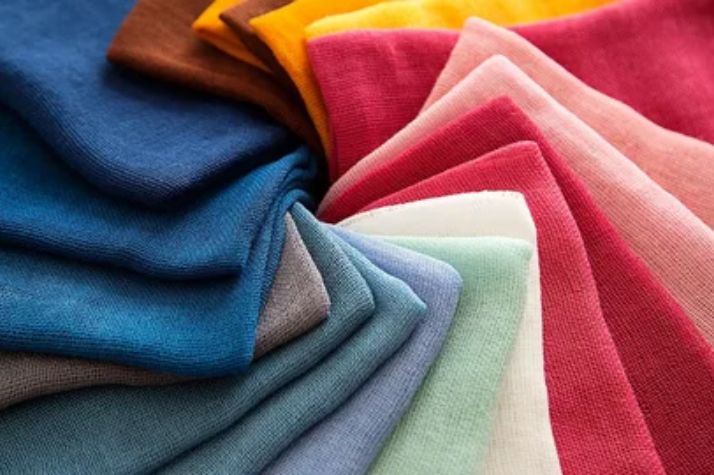
How to Choose the Best Fabric for Dyeing: A Beginner’s Guide Dyeing fabric is a creative and rewarding craft, whether you’re revamping an old piece of clothing or working on a custom design project. However, one key factor in achieving the best results is selecting the right fabric. The fabric type directly influences the vibrancy of the colors, the dye’s adherence, and the overall look of your project. In this guide, we will break down the essential factors to consider when choosing the best fabric for dyeing. 1. Understand Fabric Types: Natural vs. Synthetic Fabrics One of the first decisions you’ll need to make is whether to dye natural or synthetic fabrics. The type of fiber affects how well the fabric will take the dye. Natural Fabrics: Natural fibers, such as cotton, silk, linen, and wool, are generally more absorbent and take dye better than synthetic materials. These fabrics bond well with fiber-reactive dyes, making them an ideal choice for beginners. Synthetic Fabrics: Synthetic fibers like polyester, nylon, and acetate are generally more difficult to dye. The process of dyeing these fabrics requires specific types of dyes, like disperse dyes for polyester. Additionally, synthetic fibers often don’t absorb dye as evenly, which can lead to uneven color distribution. Polyester: Polyester can be dyed, but it requires special dyes and higher temperatures. It’s not as absorbent as natural fabrics, which can result in dull colors. Nylon: Similar to polyester, nylon is dyeable but requires specific dyes like acid dyes for effective results. For beginners, starting with natural fibers like cotton or silk is recommended, as they are easier to work with and provide more predictable results. 2. Fabric Weight and Texture The weight and texture of the fabric can impact how dye is absorbed and how colors appear. Thicker fabrics will absorb dye more slowly, while lightweight fabrics may require fewer applications to achieve the desired color depth. Heavy Fabrics (like denim or upholstery fabric) can hold dye well, but may require more time in the dye bath for the color to penetrate fully. Lightweight Fabrics (such as chiffon or tulle) absorb dye more quickly, but the results may be lighter or more pastel in nature. Textured fabrics like canvas or corduroy can give the dye a unique effect, as the dye will settle differently in the fabric’s grooves, leading to varying shades of color across the surface. 3. Pre-Washing the Fabric Before you begin the dyeing process, it’s essential to wash your fabric thoroughly to remove any chemicals, oils, or dirt that might interfere with the dye’s absorption. Pre-washing also helps in preventing unwanted shrinkage after dyeing. Note: Do not use fabric softener during the wash as it can create a coating that inhibits the dye from bonding properly with the fabric. 4. Consider the Desired Effect Different dyeing techniques and results depend on your fabric choice. If you’re looking for specific effects, like gradient or tie-dye patterns, the type of fabric you choose can greatly impact the final product. Tie-Dye: For classic tie-dye, cotton is the best choice due to its absorbency and ability to handle the folding and twisting process. It holds colors evenly and vividly. Ombre Dyeing: For soft gradients, lightweight fabrics such as silk or cotton blend nicely, as they absorb dye smoothly and create fluid transitions. Shibori: This Japanese technique, which involves folding, stitching, and clamping the fabric before dyeing, works beautifully on cotton and linen, allowing the dye to form sharp, intricate patterns. 5. Dyeing for Fashion vs. Home Decor Fabric choice can also be influenced by the intended use of the dyed fabric—whether it’s for clothing, accessories, or home decor. For Fashion: Fabrics like cotton, silk, and rayon are popular choices for clothing and accessories. They take dye well, ensuring a vibrant and consistent color payoff. For Home Decor: Heavy fabrics like linen and canvas are great for items like curtains, cushions, or tablecloths. These fabrics can hold color beautifully, and the texture adds depth to the dyed design. 6. Test First: Fabric Swatches It’s always a good idea to test dye on a small fabric swatch before starting on your full project. This allows you to check how the fabric reacts with the dye, how it absorbs the color, and how the final results will look. It’s especially important for new or synthetic fabrics where results can be unpredictable. Conclusion: Choosing the Right Fabric for Your Dyeing Project The fabric you choose for dyeing plays a critical role in the final outcome of your project. Natural fibers like cotton, silk, and linen are the easiest to work with and offer vibrant, long-lasting results. Synthetic fibers may require special dyes and techniques but can still yield great results with the right approach. Pay attention to the weight, texture, and dyeing technique that will work best for your project. As a beginner, start with fabrics that are known to work well with dye, and test your methods on small swatches before committing to larger projects. Whether you’re crafting a stunning garment, home decor item, or unique accessory, choosing the right fabric will set you on the path to success in your fabric dyeing journey. Company Welcome to Sakina Art Dyers, where we believe that every piece of fabric has a story to tell. Founded with a passion for color and creativity, our mission is to transform ordinary textiles into extraordinary works of art through our unique dyeing techniques. Our skilled artisans specialize in various dyeing styles, including Tie Dye, Clamp Dye, Shibori, 4D Dye, and Ombre Dye, each bringing its charm and elegance to your wardrobe. Features Tie Dye Ombre Dye Clamp Dye Shibori Dye 4d Dyeing Most Recent Posts No Posts Found! Explore Our Services Discover our expert fabric dyeing services, from Tie-Dye to 4D Dyeing, crafted to bring your creative ideas to life with precision and artistry. Explore More
Top Fabric Dyeing Techniques
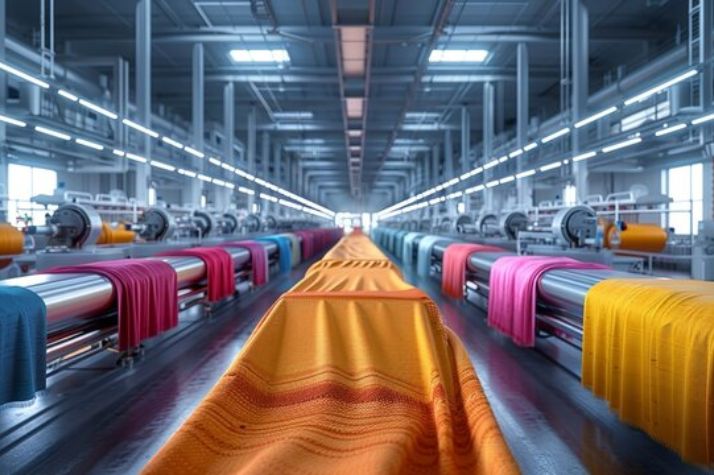
Top Fabric Dyeing Techniques Explained: From Traditional Tie-Dye to Modern 4D Dyeing Fabric dyeing has transformed from simple color application into a multifaceted art form, bridging tradition and innovation. Whether you’re a DIY enthusiast, a fashion designer, or an artisan, understanding the different techniques can elevate your projects. This blog will cover various dyeing techniques, from age-old methods like tie-dye to the cutting-edge 4D dyeing approach, highlighting their unique processes and creative potential. 1. Tie-Dye: A Timeless Classic Tie-dyeing is one of the most recognizable and playful fabric dyeing techniques. It involves folding, twisting, or crumpling the fabric and binding it with string or rubber bands before applying dye. The resist areas create the iconic patterns that made tie-dye popular in the 1960s and ’70s. Process in Detail: Fabric Preparation: The fabric is washed and soaked to ensure dye adherence. Folding & Binding: The material is twisted, folded, or scrunched and secured with rubber bands to create various patterns, such as spirals or stripes. Dye Application: Different dye colors are applied to sections, ensuring a multicolored pattern. Setting the Dye: After dyeing, the fabric sits for several hours to let the dye set. This step locks in vibrant, bold colors. Rinsing & Washing: Excess dye is washed out, and the fabric is dried. Benefits: Tie-dye is affordable, simple for beginners, and offers limitless creativity. Best Fabrics: Cotton, rayon, and other natural fibers. Applications: T-shirts, scarves, bedding, and accessories. 2. Shibori: Japanese Elegance Shibori encompasses several Japanese dyeing techniques that involve folding, binding, or twisting fabric. This creates an array of unique patterns, each with its own specific method, such as Itajime (clamp dyeing) or Arashi (pole wrapping). Process Breakdown: Fabric Manipulation: The fabric is folded, twisted, or wrapped to form different designs. Dye Bath: Fabric is submerged in dye, often indigo, which has strong cultural roots in Japan. Unfolding: Once dry, the fabric is unwrapped to reveal unique, intricate patterns. Benefits: Offers endless pattern variations and blends well with modern design sensibilities. Best Fabrics: Cotton, linen, silk. Applications: Scarves, dresses, home textiles. 3. Ombre Dyeing: Gradient Mastery Ombre dyeing is a gradient-style dyeing technique that transitions from light to dark or blends multiple colors smoothly. This method adds a contemporary look to fashion and home decor items. Step-by-Step Process: Dye Bath Preparation: A large dye bath is prepared with the chosen dye color(s). Dipping Technique: The fabric is dipped incrementally, leaving sections longer in the dye for darker hues. Smooth Transitions: Adjustments are made for a seamless transition between colors. Benefits: Creates a soft, elegant appearance suitable for modern designs. Best Fabrics: Cotton, silk, synthetic blends. Applications: Curtains, clothing, bed linens. 4. Clamp Dye (Itajime Shibori): Geometric Patterns This Shibori technique uses clamping to create symmetrical, geometric patterns. Folding and securing fabric between shapes or objects prevents dye from reaching certain areas, creating a stark contrast. How It Works: Folding and Clamping: The fabric is folded into desired shapes and clamped between objects. Dyeing: The fabric is dyed, with the clamped areas resisting the dye and forming clear, bold designs. Reveal: Removing the clamps unveils the dramatic, often symmetrical pattern. Benefits: Produces precise, impactful geometric designs. Best Fabrics: Cotton, silk. Applications: Fashion items, pillow covers, wall hangings. 5. 4D Dyeing: The Future of Fabric Art 4D dyeing is a revolutionary method that creates dynamic, multi-layered effects. The result is fabric that appears to change based on movement, light, or angle, creating an optical illusion of depth. Detailed Process: Layering Colors: A base color is applied first, followed by successive layers of different hues and techniques. Texture Incorporation: Pleating, folding, or using resist materials adds texture and depth. Curing & Setting: The fabric is set to ensure permanent, vivid color retention. Finishing Touches: The fabric is washed, dried, and inspected to confirm that the intricate patterns are sharp and dynamic. Benefits: Highly innovative, offering unique, multi-dimensional effects. Best Fabrics: Silk, chiffon, lightweight cotton. Applications: High-end fashion, bespoke home decor, exclusive art pieces. Conclusion From the simplicity of tie-dye to the futuristic appeal of 4D dyeing, fabric dyeing techniques offer endless possibilities for personalization and artistic expression. Whether you’re looking for traditional beauty or contemporary flair, mastering these methods can lead to striking, one-of-a-kind results. Company Welcome to Sakina Art Dyers, where we believe that every piece of fabric has a story to tell. Founded with a passion for color and creativity, our mission is to transform ordinary textiles into extraordinary works of art through our unique dyeing techniques. Our skilled artisans specialize in various dyeing styles, including Tie Dye, Clamp Dye, Shibori, 4D Dye, and Ombre Dye, each bringing its charm and elegance to your wardrobe. Features Tie Dye Ombre Dye Clamp Dye Shibori Dye 4d Dyeing Most Recent Posts No Posts Found! Explore Our Services Discover our expert fabric dyeing services, from Tie-Dye to 4D Dyeing, crafted to bring your creative ideas to life with precision and artistry. Explore More